
- 30 March, 2026 08PM
- devuser
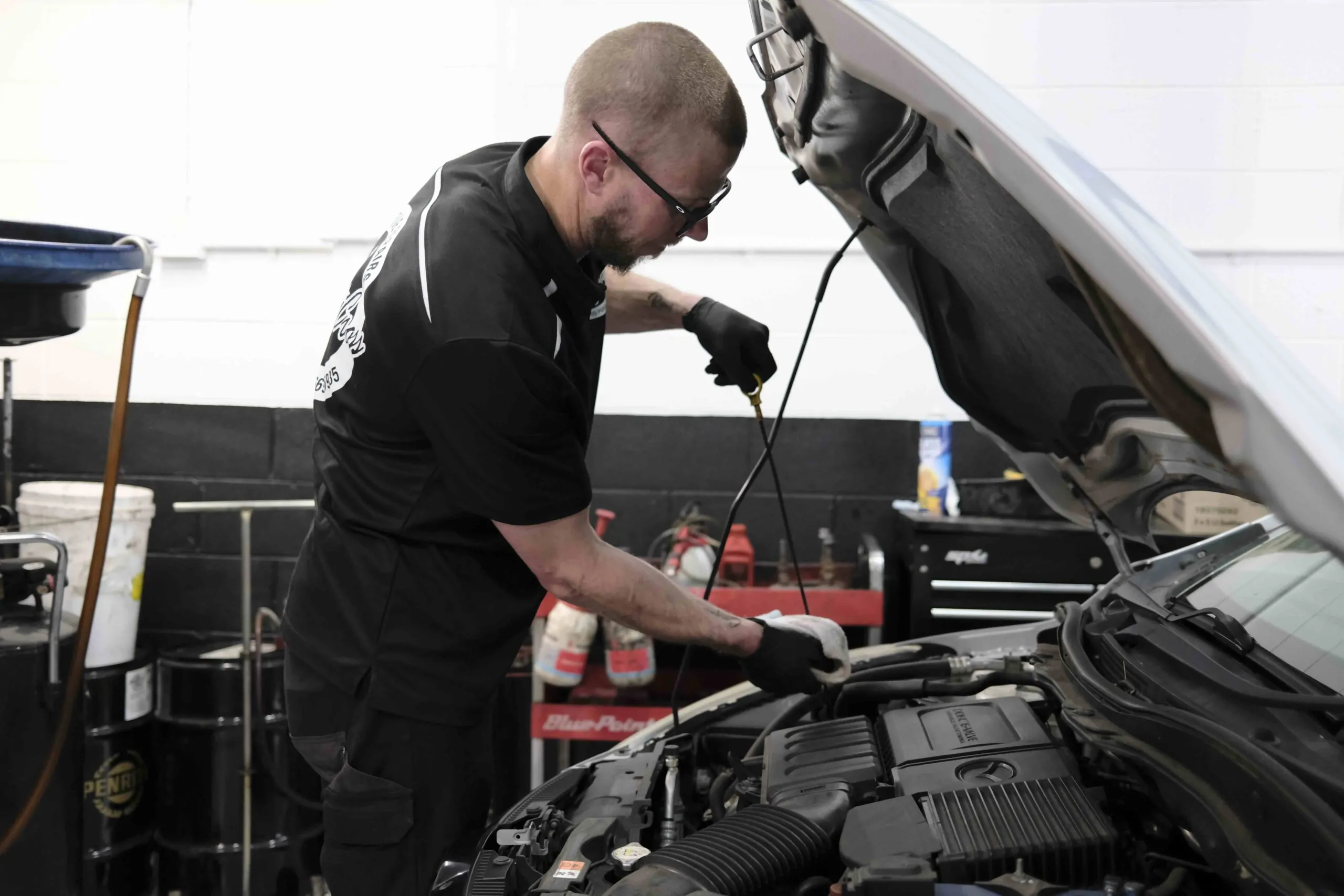
For most of us, renewing vehicle registration is just another routine task on the yearly calendar. But before you can get that fresh registration, your car usually needs to pass a safety inspection. This check ensures that every vehicle on the road isn’t just a hunk of metal, but a safe machine that meets strict road standards.
Despite our best intentions, many cars don’t pass on the first try. A car inspection failure can be frustrating, especially when it’s caused by something small that could have been caught weeks ago. Understanding exactly what inspectors are looking for can help you prepare and avoid the headache of a “failed” result when it’s time for your car inspection for rego.
Why Rego Inspections Matter
Think of a vehicle inspection as a health check-up for your car. They make sure cars meet the basic safety standards required for rego in Australia—like responsive brakes, grippy tyres, and clear lights—are all up to scratch.
While it’s an inconvenience if your car doesn’t pass, the process is vital for identifying hidden mechanical failures before they turn into accidents. In most cases, the issues flagged are simple fixes. Once repaired, your vehicle can be rechecked and sent back out on the road with a clean bill of health.
1. Worn or Faulty Brakes
It’s no surprise that brake issues are a top reason for a car to fail a roadworthy inspection. Between stop-and-go city traffic and long highway hauls, your brakes undergo a massive amount of stress.
During the test, a mechanic will examine the condition of your pads, rotors, and fluid levels. If the system feels “spongy” or shows excessive wear, it’s an automatic fail. Usually, a professional brake inspection and repair is required to bring the vehicle back to safety standards. Modernising these components doesn’t just get you that registration sticker; it gives you the stopping power you need in an emergency.
2. Tyres Without Grip
Your tyres are the only point of contact between your car and the bitumen, so inspectors take them very seriously. They check tread depth to ensure you can actually grip the road, especially during a sudden Sydney downpour.
If your tread is below the legal limit or showing uneven wear, you can be sure your car failed the safety inspection. Inspectors also look for “sidewall” damage, like cracks or bulges, which can lead to a dangerous blowout. Checking your tyres yourself with a 20-cent coin before the inspection is a quick way to see if you’re due for a fresh set.
3. Blown Bulbs and Dim Lights
It sounds almost too simple to be true, but something as small as a blown number-plate light or a faulty indicator bulb can cause a failure. Every light—headlights, high beams, indicators, and brake lights—must function perfectly.
Mechanics also check that your headlights are aligned correctly; if they are pointing too high, they can blind oncoming traffic. A quick “walk-around” with a friend before your appointment can save you from a failed report over a five-dollar bulb.
4. Dashboard Warning Lights
Your car’s computer is often the first to know when something is wrong. If you have an active warning light on your dash, an inspector will likely see it as a red flag for an underlying mechanical problem.
For example, you’ll often need to fix check engine light issues before the inspection can be finalised. These lights often signal problems with emissions or internal sensors that could affect the vehicle’s safety or environmental impact. Ignoring them might save time today, but it will definitely cost you during the inspection.
5. Steering and Suspension Issues
The suspension system keeps your car stable and comfortable, but it also takes a beating from potholes and speed bumps. Worn shocks, leaking struts, or “loose” steering can make a car unpredictable in a corner.
Mechanics look for leaks, unusual noises, or excessive “play” in the steering wheel. Because these parts are tucked away under the car, they are often the most surprising reasons for failure. Regular servicing is the best way to catch these issues before they become expensive rego-stoppers.
The Inspection “Cheat Sheet”: Preparing Your Car
You don’t need to be a mechanic to give your car a fighting chance. A simple vehicle pre-inspection checklist can help you spot the obvious stuff:
- Wipers: Are they streaky or torn?
- Windscreen: Any cracks larger than a coin?
- Seatbelts: Do they click in securely and retract properly?
- Fluids: Are your oil and coolant levels topped up?
Understanding Pink Slips vs. Blue Slips
Depending on your car’s history, you might need a specific type of check. In New South Wales, a pink slip inspection (eSafety check) is required for vehicles older than 5 years. However, if your car has been unregistered for a while or you’ve just moved from another state, you’ll likely need a blue slip inspection, which is a more thorough identity and safety check.
Regardless of which one you need, following the guidelines for an NSW car rego inspection ensures you’re meeting the exact safety checks required by the state.
Passing Your Rego Inspection With Confidence
Most cars fail inspections due to small issues that could have been fixed beforehand. Worn tyres, faulty lights, and brake problems are among the most common causes.
By performing basic checks and addressing problems early, drivers can avoid unnecessary stress during registration time. Regular maintenance also keeps your car safer and more reliable on the road.
If you suspect your car might be on the edge, don’t wait for the inspector to tell you. Addressing these problems early with a trusted switchboard upgrade and repair service (or your local mechanic) ensures you can drive away with a pass on the very first try.
Post a comment